
Content
SHARE

Imagine you are driving or cooking a meal. You need an answer, but your hands are busy. You don’t stop to type; you simply ask for your phone. This is where voice search optimization becomes essential.
The shift from “type-to-find” to “speak-to-solve” is changing how people use the internet. For business owners and marketing managers, this is a major pivot in digital strategy. To stay visible, your brand must adapt to a world where search is conversational and immediate.
How Voice Search Works
To optimize for voice, you first have to understand the “brain” behind the speaker. Tools like Siri, Alexa, Bixby, and Google Assistant don’t just “search” the web; they interpret human intent using Natural Language Processing (NLP).
Unlike traditional search, which looks for keyword matches (e.g., “pizza temp”), NLP allows AI to understand the context and syntax of a conversational query (e.g., “How hot should the oven be?”).
Crucially, voice assistants are designed for speed. While a desktop search gives you a list of ten blue links, a voice assistant usually returns a single, definitive answer. In the world of voice, if you aren’t the first result, you effectively don’t exist.

Example of manual search
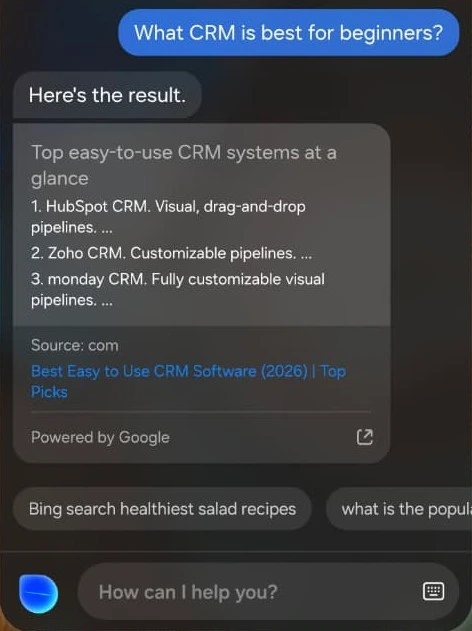
Example of voice search
Why You Need to Start Optimizing for Voice Search
If you think voice search is only used by a few people, the data shows something very different. Voice search statistics paint a clear picture of a dominant trend:
- Market Penetration: Over 50% of all internet searches are now conducted via voice.
- The Proliferation of Devices: Voice search is not just on smartphones anymore. It is also used in cars, smartwatches, smart speakers, and even home devices like security systems.
- Consumer Behaviour: Users prefer voice search because speaking is 7x faster than typing. Users prefer voice for its speed, the ability to multitask, and its immediate accessibility.
In cities like Singapore and Kuala Lumpur, where mobile use is incredibly high and audiences are tech-savvy, voice search use is rapidly rising. If your brand isn’t optimized for these “on-the-go” queries, you might be missing out on a key segment of consumers.
Voice Search vs. Traditional SEO
Conversational search and traditional SEO differ mainly in how users phrase their search queries. While traditional SEO focuses on short keywords that users type, conversational search reflects how people naturally speak or ask questions, especially through voice assistants and mobile devices. Understanding this shift helps businesses optimize content to better match user intent.
-
Keyword vs. Natural Language:
Traditional SEO uses short, fragmented “head terms” like “best cafe Singapore.” Conversational search uses natural, full-sentence queries, such as “Where is the best cafe open now near me?” This matters because search engines now prioritize understanding complete questions and context, not just keywords.
-
The “Who, What, Where, When, Why” Framework:
Conversational searches are often question-based. Content should answer intent-driven questions like who provides the service, what it offers, where it is located, when it’s available, and why it’s a good choice. Answering these questions clearly increases the chance your content will be chosen by a voice assistant to answer a user’s query.
-
The Local-Mobile Connection:
Most voice searches are local. Queries like “cafes open now near me” show that users expect instant, nearby results. Keeping your business information accurate on platforms like Google Maps and Google Business Profile ensures that voice assistants can provide correct answers, helping your business appear in these search traffic.
Actionable Voice Search Optimization Strategies
To capture this traffic, you need a multi-layered approach involving content and technical SEO.
Content Strategy for Voice Search
- Target Long-Tail & Question Keywords: Focus on natural, question-based phrases that reflect how people actually speak. Voice searches are typically longer and more conversational, which makes them better aligned with full questions rather than short, fragmented keywords. Optimizing for these queries increases the likelihood of your content being selected as the single answer in voice search results.

Example of long-tail keyword with low difficulty score (Source: SE Ranking)
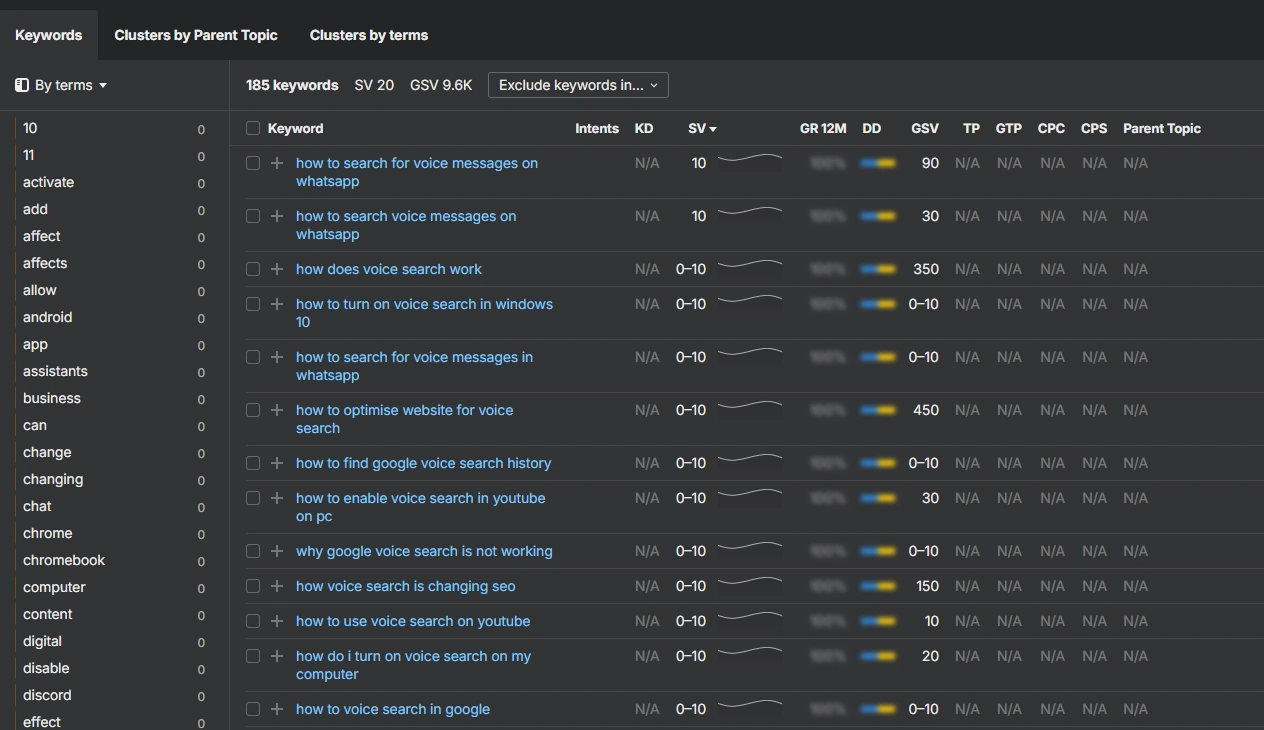
Example of question keywords with score (Source: Ahrefs)
- Build FAQ Pages: Detailed FAQ sections are goldmines for voice search because they mirror the question-and-answer format, making it easier for search engines to match and deliver your content.
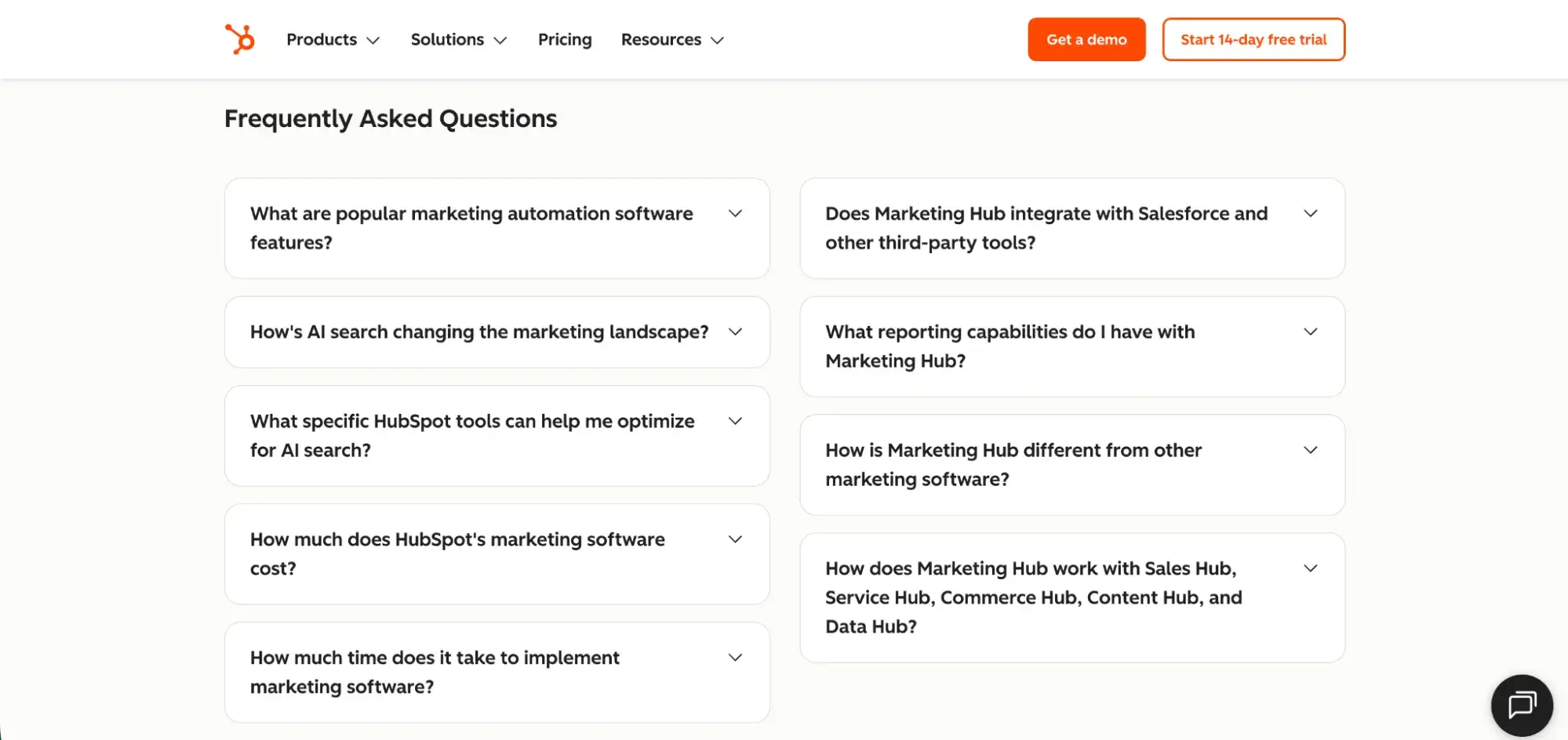
Example of FAQ page
Local SEO Mastery

- Optimise Google Business Profile: Ensure your listing is complete and active. Voice searches are often location-based (e.g., “near me”). A complete and active profile helps search engines trust your business and show it in local results, especially for quick, on-the-go searches.
Managing all these voice search optimizations while running a business can be overwhelming. That’s where 2Stallions’ SEO services can help – from local SEO and Google Business Profile setup to FAQ pages, schema markup, and AI-ready content strategies that future-proof your business for voice and mobile search.


- NAP Consistency: Your Name, Address, and Phone number (NAP) must be identical across all digital platforms to build local trust. Consistent NAP information builds trust with search engines and users. It helps your business appear accurately in local search results, which is especially important for voice searches where users often look for nearby options.
Technical SEO
- Schema Markup: Use LocalBusiness and FAQ structured data to help search engines “read” your content more effectively. Schema provides context about your business and content, making it easier for search engines to understand and display rich results. This increases the chances your site appears in voice search answers and local search features.

Example of FAQ schema
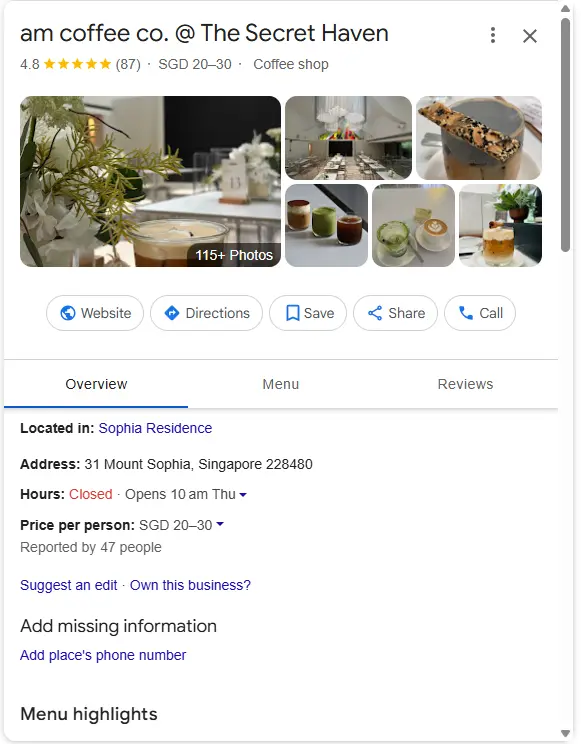
Example of local business schema
- Site Speed: Voice results favour fast-loading sites. Voice assistants prioritize quick answers. If your site loads slowly, it’s less likely to appear in voice search results, as the assistant will choose a faster, more responsive competitor.
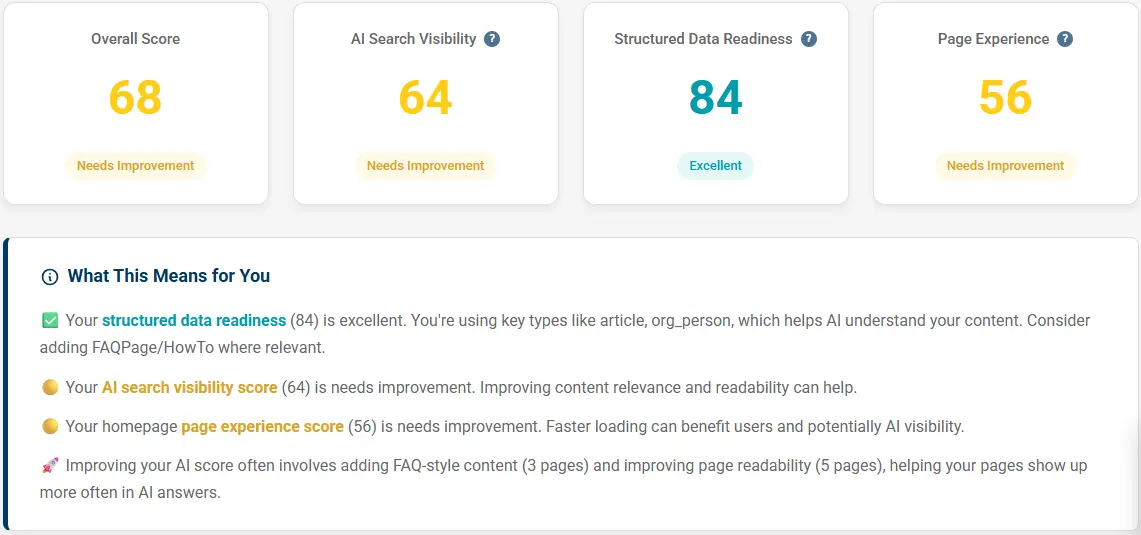
Example of site speed
- Mobile Responsiveness: Your site must work perfectly on mobile devices. Most voice searches happen on smartphones. A mobile-friendly site ensures users can easily view content, improving your chances of being featured in voice search results.
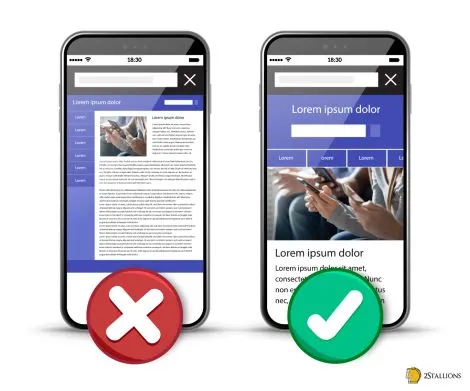
Example of mobile responsiveness
Conclusion
Voice search is more than a new way to search; it signals the future of AI-driven personal assistants shaping how people discover and interact with businesses. Optimizing for voice today positions your brand as forward-thinking and ready for the next wave of digital interaction.
The Double Win: Beyond just visibility, voice search optimization encourages a mindset of clarity, accessibility, and user focus. By preparing for voice, you’re not only future-proofing your business but also improving overall user experience and trust – benefits that naturally strengthen your presence across all digital channels.
2Stallions: Who We Are
2Stallions is an award-winning, full-service digital marketing agency with offices in Singapore and Malaysia. Since 2012, we’ve helped brands of all sizes turn strategy into growth through SEO services, SEM services, social media marketing services, content marketing services, to website design and development.
Need funding support? We’ve got that covered too. 2Stallions is a pre-approved vendor for the PSG Digital Marketing Grant, allowing eligible Singaporean SMEs to claim up to 50% off our services. We are also a registered vendor of the Digi-TAC Grant.
Our results-oriented approach has earned us various industry accolades, from the Marketing Excellence Awards, Asia eCommerce Awards, the Drum Awards for Digital Advertising APAC to Quantum Leap in AI & Digital. We’re also certified partners with Google, TikTok, and Shopify, giving you direct access to the tools, insights, and support that drive real digital performance.
Let’s grow your business. Book a free strategy consultation and get your custom roadmap to digital success.